Forefoot Running: How to Avoid Calf Pain
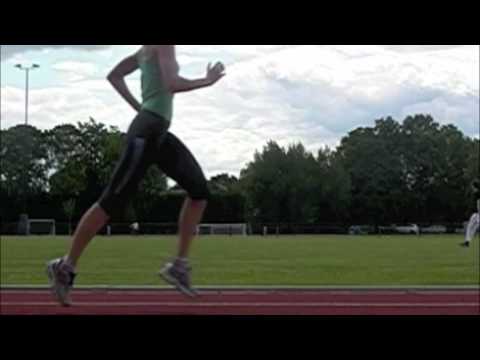
It's quite common for runners in the process of making the change from a heel striking running style to forefoot running to feel a degree of calf pain. While this is widely accepted as normal and "par for the course" in early stages of learning to run with a forefoot strike, it really shouldn't be if the transition away from a heel striking running style is approached properly!
Why Does Forefoot Running Cause Calf Pain?
Runners moving to a forefoot or midfoot strike pattern, may experience calf pain and tightness in the first few weeks of using this new running style due to the changes in the loading demands on the calf muscles of the lower leg.
Previously when heel-striking, much of the impact and loading was taken by the skeletal system, through the joints. However, with a forefoot or midfoot strike, the muscles and tendons are positioned to better absorb the load, in turn offloading the joints.
From a biomechanical point of view, this works well as long as the muscles and tendons (calf muscles and achilles tendons in particular) are ready for the task!
However, if there is a lack of strength, mobility and stability around the ankle, the muscles of the lower leg will tighten up and/or suffer an overuse injury such as a calf strain or achilles tendinopathy. You can learn more about the warning signs of achilles problems right here.
You might find this popular article helpful: Learn How to Strengthen Your Calf Muscles to Prevent Pain After Running
As well as strength, technique plays a massive role. If you are too far onto your forefoot (foot pointing down on contact), the calf will experience unnecessary loading. This is usually the case when overstriding and "reaching out" to forefoot strike.
To compound the situation, if you then keep foot pointing down (plantarflexed at the ankle) while the foot is in contact - as many new to forefoot/midfoot running do - the whole calf complex will be excessively loaded throughout the stance phase.
How to Fix this Problem
- I like to use the visualization of landing on the rear aspect of the ball of my foot rather than on my toes to help me get a comfortable midfoot strike. You can find a video here with a great coaching cue to help you achieve this footstrike.
- Another good cue is to see how close you can get your heel to touching down simultaneously with the forefoot - without actually loading the heel. This will feel like you hit the ground first with your forefoot, then almost immediately lightly kiss the ground with your heel.
The other element of technique to think about is where the foot lands rather than simply how. The muscles of the lower leg act as a shock absorber, when over-striding the shock which needs to be absorbed increased significantly. The increased braking force associated with an athlete over-striding (landing the foot too far ahead of the knee and centre of mass) becomes an excessive load for the calf and achilles complex to deal with upon contact. If the calves are weak, or prone to injury. This could prove too much and prompt failure - injury.

How to prevent calf pain after forefoot running?
There are a number of things you can do to manage calf pain during this transition period for your running technique and to avoid excess calf loading:
Work on Running Technique
One simple running technique cue for you to consider:
- Focus on bringing the foot down to the ground under a slightly bent knee rather than feeling that you are reaching out forwards with the foot.
Follow a Progressive Technique Transition Program
Make sure you don't do too much too soon, your calves won't thank you for it! Forefoot running and calf pain can be a less of a issue when follow a progressive program designed to help you through the transitional phases of changing your running technique.