Shin Splints Recovery Time: How Long Does It Really Take?
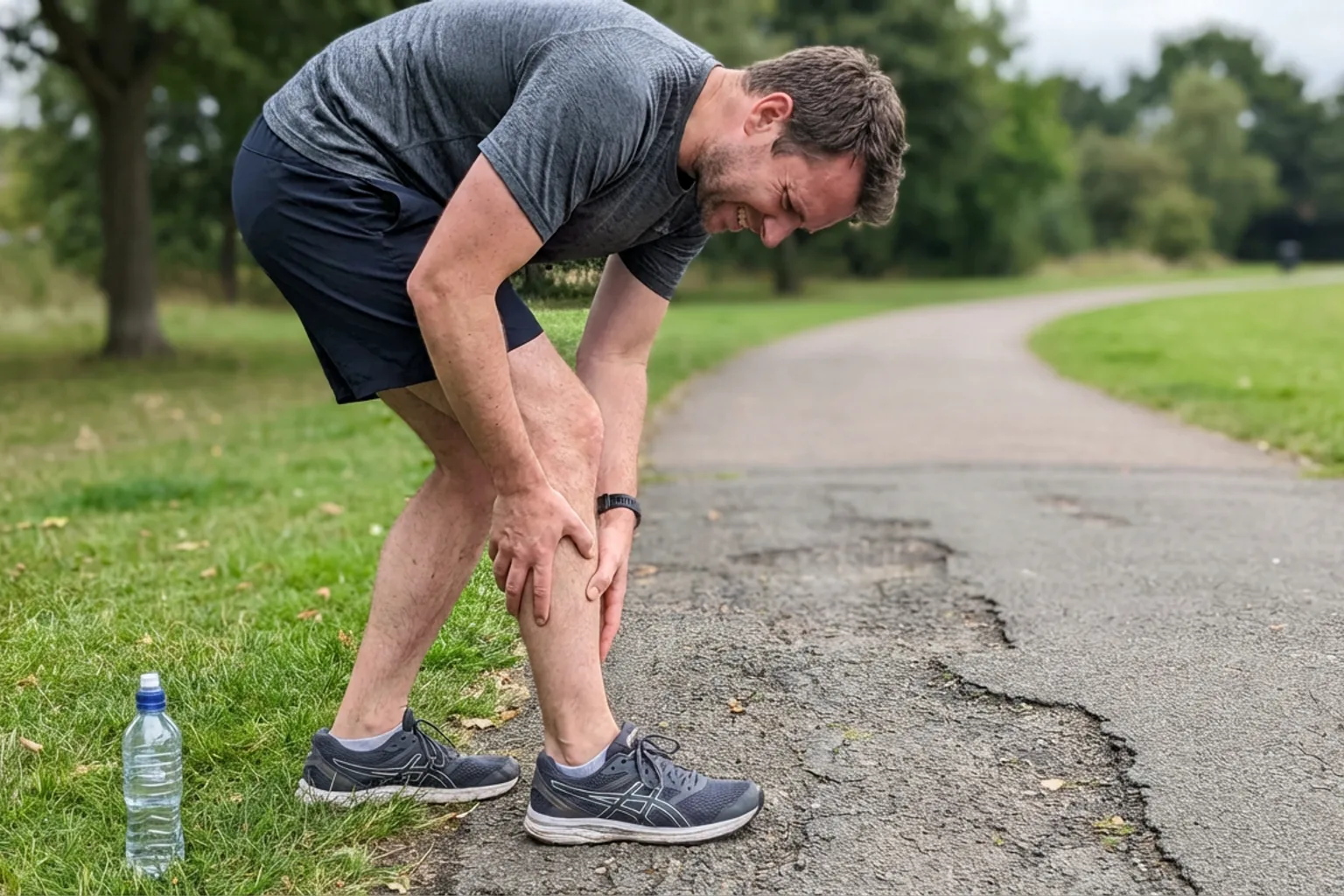
If you're searching for shin splints recovery time, chances are you're in pain right now and wondering how long this is going to set you back. I get it. I've worked with hundreds of runners dealing with this exact injury, and the frustration is real.
Quick answer: shin splints recovery time is typically two to six weeks with proper rest. More severe cases can take up to six months. Runners who act early and reduce load straight away almost always recover faster than those who try to push through.
The good news? There's a lot you can do to speed things up. This guide covers everything you need to know, from how long to rest, to what to do during recovery, to how to come back without getting injured again.
And if you want a structured plan that keeps you fit while your shins heal, and builds the strength to stop this happening again, take a look at Bulletproof Runners. It's the programme I built specifically for runners who are tired of getting injured and want to stay consistently on the road.

What Are Shin Splints? (And Why They Take Time to Heal)
"Shin splints" gets used as a catch-all term for lower leg pain. But in this article, I'm talking specifically about medial tibial stress syndrome (MTSS), which is the most common type of shin pain in runners.
MTSS happens when the tibia (your shin bone) and the surrounding connective tissue get overloaded by repetitive stress. The bone tissue becomes irritated and inflamed, particularly along the inner (medial) edge of the shin.
It's not a muscle injury. It's a bone stress injury. And that's exactly why it takes longer to heal than a simple muscle strain, and why you can't just run through it.
Want to understand more about what's driving your shin pain? Read my full guide on shin splints symptoms, causes, treatment and prevention.
Shin Splints Recovery Time: What the Science Says
To understand why recovery takes as long as it does, it helps to know a little about how your body heals bone tissue.
The healing process happens in three overlapping stages:
Inflammatory phase (days 1 to 7): Your body sends blood flow and repair cells to the area. Pain is often sharpest here. This is your body doing exactly what it should.
Repair phase (weeks 1 to 4): Special cells clean up damaged tissue and lay down new collagen. The pain usually starts to ease during this stage.
Remodelling phase (weeks 4 to 8+): The new tissue gets strengthened and reorganised. This is the phase most runners skip by returning too soon.
Add those phases together and you get roughly seven to nine weeks for full tissue healing. That lines up with the clinical reality: most runners need two to six weeks of modified activity, with more irritable cases taking up to six months.
The runners I see who take longest to recover are almost always the ones who kept running through the early stages. They skipped the inflammatory and repair phases, and the bone never got a proper chance to heal.
Shin Splints Symptoms: Is It Really Shin Splints?
Before we talk about recovery, it's worth making sure you're actually dealing with shin splints. Not all shin pain is MTSS.
Classic shin splints symptoms include:
A dull ache along the inner edge of the shin bone
Pain that comes on during a run and eases with rest
Tenderness when you press along the inner shin
Mild swelling in some cases
Pain that feels worse in the morning as tissue tightens overnight
Other conditions that can cause similar shin pain include tibialis posterior tendinopathy, anterior compartment syndrome, and tibial stress fractures. If your pain is sharp, located directly on the bone in one specific spot, or doesn't ease at all with rest, please see a physiotherapist. A stress fracture needs a very different management approach.
You can also check out my article on stress fracture rehab and return to running if you're concerned that's what you're dealing with.
How Long Should You Rest from Running with Shin Splints?
Here's my standard starting point: take two weeks off running at the first sign of shin splints.
I know that's not what you want to hear. But this two-week window gives your tibia the best possible chance to start healing without the added stress of impact loading.
During those two weeks, you're not doing nothing. You're cross-training. Cycling, swimming, pool running, and the elliptical trainer all keep your cardiovascular fitness ticking over without hammering your shins. You can also use the time to work on strength training that directly supports your running.
The runners who try to sneak in "just a short run" to test the shins almost always set themselves back. I've seen it dozens of times. The bone is still in the repair phase, and even a gentle 20-minute jog can undo a week of healing progress.
So commit to the two weeks. Fully.
The Hop Test: Your Green Light to Return to Running
At the end of your two-week rest, you need a simple test before you lace up again. I learned this from physio Brad Beer, and I've used it with runners ever since.
Here's how it works:
Stand on the affected leg.
Hop 12 times in a row.
Your shin should feel completely pain-free throughout.
The area should also be pain-free when you press along the inner shin bone.
If you pass both checks, you're ready to start a gradual return to running. If not, take another one to two weeks of rest and retest. Keep repeating until you pass. It sounds simple because it is, but it works.
Use my free return to running plan to structure those first weeks back. Don't just go straight back to your normal training volume.
Will Shin Splints Get Worse If You Keep Running?
Yes. Almost certainly.
At best, continuing to run with shin splints slows your recovery and keeps the pain dragging on for months. At worst, it leads to a tibial stress fracture, which means six to eight weeks in a boot and a much longer time away from running.
Stress fractures from untreated shin splints are not rare. They're particularly common in military recruits who face pressure to push through shin pain during basic training. You don't have those external pressures. So please don't create them for yourself.
That said, I know life isn't always that simple.
What if you've got a marathon in six weeks?
This is one of the most common situations I deal with as a coach. The peak training weeks arrive, the shins start complaining, and suddenly you're facing a horrible decision.
Here's what I'd suggest in that situation:
Commit now to a proper recovery period after your marathon. No exceptions.
Cut your weekly runs by one or two sessions. More recovery time between runs makes a real difference.
Replace the missed runs with low-impact alternatives. A hard bike session or rowing HIIT workout gives you a very similar training stimulus without the shin loading.
Keep progressing your long run, but give yourself extra recovery days around it.
Run on softer surfaces wherever possible. Grass and trail paths are much kinder on bone tissue than tarmac.
Support your bone health through nutrition. Adequate calcium, vitamin D, and overall energy intake all matter for bone repair.
If you can keep your shin pain at a level of three out of ten or below during and after running, I'd cautiously say you can continue modified training. The moment it creeps above that, stop. Take the two weeks. A DNS is always better than a stress fracture.
For more on structuring your training around injury, read my guide on how to prevent running injuries.
How to Speed Up Shin Splints Recovery Time
Rest is the foundation. But there's plenty you can do alongside it to recover faster.
1. Ice or Heat for Shin Splints?
In the first few days when pain and inflammation are at their worst, ice is your best friend. Apply an ice pack wrapped in a thin cloth to the painful area for 15 to 20 minutes, two to three times a day.
After the initial inflammatory phase settles (usually after the first week), heat can help increase blood flow to the area and support the repair process. Some runners find alternating between the two helpful.
Never apply ice directly to skin. And don't use heat in the first 48 to 72 hours when the tissue is acutely inflamed.
2. Should You Use Anti-Inflammatory Medications?
The NHS recommends ibuprofen or paracetamol to help manage shin splints pain. These can be useful in the short term, particularly if pain is disrupting your sleep or daily life.
But here's the important bit: never use pain medication to get through a run. Pain is your body's signal that something is wrong. Masking it so you can train is how minor shin splints become stress fractures. Use medication to manage discomfort at rest, not to override your body's warning system.
3. Is Rest the Best Shin Splints Treatment?
Rest from running, yes. But complete rest from everything? No.
Active recovery is better than passive rest. Keep moving with low-impact cross-training. Work on your strength. Improve your mobility. The runners who use their downtime productively come back stronger than they were before the injury.
4. Do Compression Sleeves Help Shin Splints?
Compression sleeves won't fix shin splints, but many runners find them helpful for managing discomfort during the recovery period. They may help reduce swelling and provide a sense of support around the lower leg.
If you find them comfortable, there's no harm in wearing one. Just don't expect it to solve the underlying problem on its own.
5. Do Orthotics Help with Shin Splints?
This one depends on the individual. Some runners with specific foot mechanics, particularly those with flat feet or significant overpronation, may benefit from orthotics or supportive insoles. The evidence isn't conclusive either way.
If you've had recurring shin splints and you've never had your gait assessed, it's worth speaking to a sports physio or podiatrist about whether footwear or orthotic support might be contributing to your problem. But orthotics alone won't fix poor training habits or weak lower legs.
6. Shin Splints Rehab Exercises
Training errors cause most cases of shin splints. Too much, too soon. But weak calves, poor ankle stability, and limited hip control all contribute to how much stress the tibia absorbs with each stride.
Use your rest period to address these. Focus on:
Calf raises and soleus strengthening (see my soleus strength exercises for runners)
Single-leg balance and ankle stability work (my 10-minute ankle strengthening routine is a great starting point)
Hip and glute strengthening to reduce medial tibial load
Tibialis posterior exercises to support the inner arch
Here's a video with some exercises to get you started:
7. Soft Tissue Work and Massage
Tight calves are a common contributing factor in shin splints. Regular sports massage or self-massage can help address this. Foam rolling your calves is a good option, just avoid rolling directly over the tender area on your inner shin.
Here's how to foam roll your calves effectively:
My guide on how to foam roll your calf muscles covers this in more detail.
8. Daily Footwear
If your job keeps you on your feet all day, the shoes you wear at work matter just as much as your running shoes. Nurses, teachers, and retail workers often find that unsupportive work shoes contribute to their shin pain.
Speak to a physio about this if it sounds relevant to you. Everyone's feet are different, and there's no one-size-fits-all answer here.
Running Technique Changes That Reduce Shin Splints
Once you're back running, it's worth looking at whether your technique is contributing to the problem. Three gait factors are most commonly linked to medial tibial stress syndrome:
Overstriding: Landing with your foot too far in front of your body increases the braking force through your shin with every step.
Low running cadence: A slower step rate tends to go hand in hand with overstriding. Increasing your cadence by five to ten percent can meaningfully reduce tibial stress.
Cross-over gait: Running with a narrow step width, where your feet cross the midline, increases the rotational stress on the tibia. This is the least talked about of the three, but it's one I see constantly.
Here's a video that explains the cross-over gait and what to do about it:
Your return to running phase is the perfect time to work on technique changes. You're running less volume, you're more focused, and the changes have time to become habits before you ramp back up. Read more about how stride width affects shin splints and what you can do about it.
You might also find my guide on running injuries over 40 useful if you're finding that recovery is taking longer than it used to.
Does Shin Splints Recovery Require Surgery?
No, not for true MTSS. Shin splints respond well to rest and gradual load management. Surgery is not part of the picture.
The exception is if your shin pain turns out to be compartment syndrome rather than MTSS. Compartment syndrome causes pressure to build up in the muscle compartments of the lower leg during exercise. When conservative treatment fails, surgery (a fasciotomy) can be an effective solution.
If your pain comes back every time you try to run, even after a proper rest period, please get a proper diagnosis from a sports medicine doctor or physio. Don't just assume it's shin splints and keep repeating the same cycle.
How to Stop Shin Splints Coming Back
This is the part most articles skip. Recovering from shin splints is one thing. Staying recovered is another.
The runners who keep getting shin splints are almost always making the same mistakes: building mileage too fast, skipping strength work, and ignoring the early warning signs.
Here's what actually works long term:
Follow the 10% rule: don't increase your weekly mileage by more than 10% per week
Build consistent strength training for runners into your routine, not just when you're injured
Vary your running surfaces to reduce repetitive stress on the same tissues
Address any gait issues before they become injury issues
Take easy days seriously. Recovery is where adaptation happens.
If you want a programme that builds all of this in from the ground up, Bulletproof Runners is exactly what I designed it for. It's a structured strength and injury prevention programme for runners who want to train consistently without constantly breaking down. Hundreds of runners have used it to finally get on top of recurring injuries like shin splints, and stay on top of them. If that sounds like you, it's worth a look.
Frequently Asked Questions: Shin Splints Recovery Time
How long does it take for shin splints to heal?
Most runners recover from shin splints in two to six weeks with proper rest and load management. More severe or long-standing cases can take up to six months. Acting early, at the first sign of symptoms, gives you the best chance of a quick recovery. Runners who continue training through shin splints almost always take longer to heal.
Can I run with shin splints?
I'd strongly advise against it. Running with shin splints slows healing and risks turning a manageable injury into a tibial stress fracture. If you're close to a race, reduce your volume significantly, switch some sessions to low-impact cross-training, and keep pain below three out of ten. Stop immediately if it gets worse. Read more in my guide on running with shin splints.
What is the fastest way to recover from shin splints?
The fastest recovery comes from acting early. Stop running as soon as symptoms appear, apply ice in the first few days, cross-train to maintain fitness, and do targeted rehab exercises for your calves, ankles, and hips. Use the hop test before returning to running, then rebuild your mileage gradually. Trying to rush back is the most common reason shin splints recovery takes months instead of weeks.
How do I know when shin splints are healed?
Two signs tell you your shin is ready: no tenderness when you press along the inner shin bone, and the ability to hop 12 times on the affected leg without any pain. Both need to be true before you return to running. If either causes discomfort, take another one to two weeks of rest and retest.
Why are my shin splints not getting better?
The most common reasons shin splints linger are returning to running too soon, not reducing training load enough, or misdiagnosis. If your shin pain isn't improving after four to six weeks of proper rest, see a sports physio. You may be dealing with a stress fracture, compartment syndrome, or tibialis posterior tendinopathy rather than MTSS. Each of these needs a different approach.
I hope this guide has given you a clear picture of what to expect from shin splints recovery time, and more importantly, what you can do to get back to running as quickly and safely as possible.
Take the rest seriously. Do the rehab work. And when you're ready to build back, do it gradually. Your shins will thank you.
If you want to come back stronger and reduce the chances of this happening again, take a look at Bulletproof Runners. It's the programme I put together for exactly this kind of situation, and it's helped a lot of runners finally break the injury cycle for good.
Good luck with your recovery. I hope you're back running pain-free very soon.